Can a light duty electric hoist be used in a humid environment? Light Duty Electric Hoist
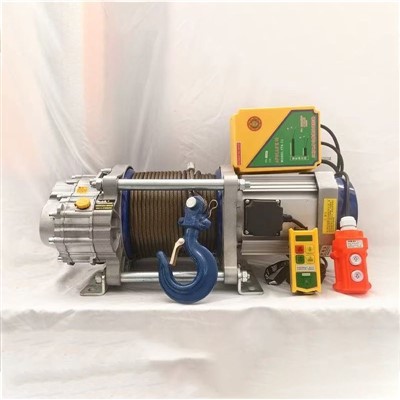
As a supplier of light duty electric hoists, I often encounter inquiries from customers regarding the suitability of our products for use in various environments, particularly humid ones. This is a crucial question as the operating environment significantly impacts the performance, durability, and safety of electric hoists. In this blog post, I will delve into the details of whether a light duty electric hoist can be used in a humid environment, exploring the challenges, solutions, and considerations.
Challenges of Using Light Duty Electric Hoists in Humid Environments
Humidity can pose several challenges to the proper functioning of light duty electric hoists. The most immediate concern is corrosion. Moisture in the air can cause metal components of the hoist, such as the frame, gears, and chains, to rust over time. Rust not only weakens the structural integrity of these parts but can also lead to increased friction, which may affect the smooth operation of the hoist. For example, rust on the chain can cause it to jam or break, resulting in potential safety hazards and costly downtime.
Another issue is electrical problems. High humidity can lead to the accumulation of moisture on electrical components, including motors, switches, and control panels. This moisture can cause short – circuits, electrical malfunctions, and even electrical shocks. In addition, the insulation of electrical wires may degrade more rapidly in a humid environment, increasing the risk of electrical failures.
Furthermore, the lubrication of moving parts can be affected by humidity. Moisture can wash away or dilute the lubricants, reducing their effectiveness in reducing friction and wear. Without proper lubrication, the moving parts of the hoist, such as bearings and gears, may experience increased wear and tear, leading to premature failure.
Solutions and Protective Measures
Despite these challenges, it is possible to use light duty electric hoists in humid environments with the right precautions and protective measures.
Material Selection
One of the key solutions is to use corrosion – resistant materials in the construction of the hoist. For the frame and other structural components, stainless steel or galvanized steel can be used instead of regular carbon steel. Stainless steel has excellent corrosion resistance due to the presence of chromium, which forms a passive oxide layer on the surface, preventing further oxidation. Galvanized steel is coated with a layer of zinc, which also provides a protective barrier against rust.
For chains and ropes, materials such as corrosion – resistant alloy steels or synthetic fibers can be considered. Synthetic ropes, like nylon or polyester ropes, are not only resistant to corrosion but also lightweight and flexible.
Sealing and Enclosure
Proper sealing of electrical components is essential to prevent moisture ingress. Electric hoists can be designed with sealed enclosures for motors, control panels, and switches. These enclosures are typically made of materials with good waterproof properties, such as plastic or rubber gaskets. Additionally, cable entries can be sealed to prevent water from seeping into the electrical system.
Coating and Painting
Applying protective coatings and paints to the metal parts of the hoist can provide an extra layer of protection against corrosion. Epoxy coatings, for example, are known for their excellent adhesion and corrosion resistance. These coatings can be applied to the frame, gears, and other exposed metal surfaces to prevent moisture from coming into direct contact with the metal.
Regular Maintenance
Regular maintenance is crucial when using light duty electric hoists in humid environments. This includes inspecting the hoist for signs of corrosion, checking the integrity of electrical connections, and ensuring that the lubrication levels are adequate. Any signs of rust should be removed promptly, and the affected areas should be repainted or recoated. Electrical components should be checked for moisture and dried if necessary. Lubricants should be replenished regularly to ensure smooth operation of the moving parts.
Considerations for Using Light Duty Electric Hoists in Humid Environments
Before using a light duty electric hoist in a humid environment, several factors need to be considered.
Humidity Level
The degree of humidity in the environment is an important factor. Mildly humid environments, with relative humidity levels below 60%, may pose fewer challenges compared to highly humid environments, such as those near the coast or in industrial settings with high steam emissions. In extremely humid conditions, additional precautions may be required, such as the use of dehumidifiers in the hoist’s operating area.
Duration of Exposure
The length of time the hoist will be exposed to the humid environment also matters. Short – term exposure may not cause significant damage if the appropriate protective measures are in place. However, long – term exposure requires more robust protection and more frequent maintenance.
Type of Application
The nature of the application can also influence the suitability of using a light duty electric hoist in a humid environment. For example, if the hoist is used for intermittent lifting operations, it may be less susceptible to the effects of humidity compared to continuous operation.
Conclusion
In summary, a light duty electric hoist can be used in a humid environment, but it requires careful consideration and the implementation of appropriate protective measures. By using corrosion – resistant materials, proper sealing, protective coatings, and regular maintenance, the risks associated with humidity can be minimized, ensuring the safe and reliable operation of the hoist.

If you are considering using a light duty electric hoist in a humid environment, I encourage you to contact us for more information. Our team of experts can provide you with detailed advice on the best product options and protective measures for your specific needs. We are committed to providing high – quality light duty electric hoists and excellent customer service. Let’s discuss your requirements and find the most suitable solution for your application.
Indoor and Outdoor Winches References
- Machinery’s Handbook, 31st Edition, Industrial Press Inc.
- Standards for Electric Hoist Design and Manufacturing, International Electrotechnical Commission (IEC)
- Corrosion Prevention and Control in Industrial Equipment, ASM International
Hebei Hengtai Crane Machinery Manufacturing Co., Ltd.
Address: Weigezhuang Village, Donglu Township, Qingyuan District, Baoding City, Hebei Province
E-mail: hbht@cnhengtai.com
WebSite: https://www.cnhengtai.com/
