Hey there! I’m in the leaching agent supply business, and today I wanna have a chat about the cost – effectiveness of various leaching agents. It’s a topic that’s super important for our clients, so let’s dig right in. Leaching Agent
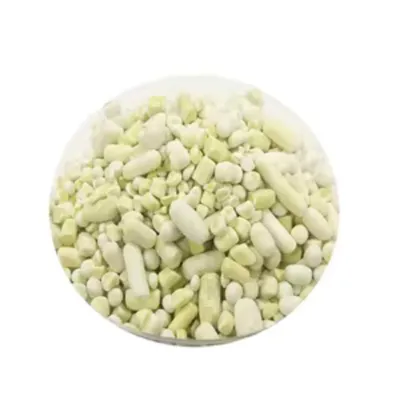
What Are Leaching Agents Anyway?
First things first, for those who might not know, leaching agents are substances used to extract specific metals or compounds from ores, concentrates, or other solid materials. They basically dissolve the stuff we want and leave behind the rest. There are different types out there, and each has its own pros and cons when it comes to cost – effectiveness.
The Popular Ones: Acidic Leaching Agents
One of the most common types of leaching agents is the acidic kind. Sulfuric acid, for example, is a real workhorse in the industry. It’s relatively cheap to produce, and it’s super effective at dissolving a wide range of metals like copper, zinc, and nickel. If you’re dealing with large – scale mining operations, sulfuric acid can be a great option. You can get it in bulk, and the price per unit is pretty low.
But it’s not all sunshine and rainbows. Sulfuric acid can be dangerous to handle. You need proper safety equipment and storage facilities. Also, if you’re not careful, it can cause environmental problems, like acid mine drainage. That can lead to additional costs for environmental remediation.
Another acidic leaching agent is hydrochloric acid. It’s also quite effective, especially for certain metal extractions. It can dissolve metals like silver and gold more efficiently than sulfuric acid in some cases. However, hydrochloric acid is more volatile and has a stronger odor. It also requires more careful handling, and its cost can be a bit higher compared to sulfuric acid, especially when you factor in the cost of proper ventilation and containment systems.
Basic Leaching Agents: Sodium Hydroxide
On the other side of the pH scale, we have basic leaching agents. Sodium hydroxide is a well – known one. It’s commonly used for extracting metals like aluminum from bauxite ores. One of the big advantages of sodium hydroxide is its ability to work in alkaline conditions, which can be beneficial for certain metal – containing ores that don’t respond well to acidic leaching.
The cost – effectiveness of sodium hydroxide depends on a few factors. It’s generally more expensive than the common acidic leaching agents. But in some cases, the higher efficiency of metal extraction can offset the cost. For example, if you’re dealing with high – grade bauxite ores, the amount of aluminum that can be extracted using sodium hydroxide might make the extra cost worthwhile.
However, just like with acidic leaching agents, there are some drawbacks. Sodium hydroxide is caustic and can cause severe burns. You need to have strict safety protocols in place when handling it. And like sulfuric acid, improper disposal can pose environmental risks.
Cyanide – Based Leaching Agents
Cyanide – based leaching agents are famous for their use in gold extraction. Cyanide has a unique ability to form complexes with gold, allowing it to be dissolved and recovered from ores. This method has been used for a long time and is still widely used today, especially in large – scale gold mining operations.
In terms of cost – effectiveness, cyanide is relatively inexpensive. It can process low – grade gold ores economically. The equipment required for cyanide leaching is also relatively simple, which can keep capital costs down. But cyanide is extremely toxic. A small mistake in handling or disposal can have catastrophic environmental and health consequences. There are strict regulations around its use, which means additional costs for compliance, monitoring, and risk management.
Ammonia – Based Leaching Agents
Ammonia – based leaching agents are another option, especially for extracting metals like copper, nickel, and cobalt. Ammonia can work well in alkaline conditions and is less corrosive compared to some acidic and basic agents.
The cost – effectiveness of ammonia depends on the specific ore and the extraction process. The price of ammonia can vary depending on market conditions. It also has some advantages in terms of environmental friendliness compared to some other leaching agents. However, ammonia is a volatile gas, and proper ventilation systems are required. Also, its extraction efficiency might not be as high as some other agents in certain cases, which could affect the overall cost – effectiveness.
Organic Leaching Agents
In recent years, there’s been a growing interest in organic leaching agents. These are often derived from natural sources or are biodegradable. They can be a good option for eco – conscious operations. For example, some organic acids like citric acid can be used to extract metals.
Organic leaching agents are generally more expensive than the traditional inorganic agents. But they have some real benefits. They’re less harmful to the environment and can be a good choice for small – scale or environmentally sensitive operations. The lower environmental impact can also lead to lower regulatory costs in the long run. Also, in some cases, they can have better selectivity for certain metals, which can lead to higher – quality metal products.
Factors Affecting Cost – Effectiveness
Now, let’s talk about the factors that really affect the cost – effectiveness of these leaching agents. First off, the type of ore is crucial. Different ores have different compositions, and some leaching agents work better than others on certain ores. For example, if you have an ore with a high sulfide content, sulfuric acid might be a great choice. But if it’s a carbonate – rich ore, a different leaching agent might be more effective.
The scale of the operation also matters. Large – scale mines can usually afford to invest in more expensive leaching agents if they offer higher efficiency in the long run. Smaller operations might have to stick with the more affordable options, even if they’re not as efficient.
The price and availability of the leaching agents themselves are important. If a particular agent is in short supply, its price can go through the roof. And of course, the cost of handling, storage, and disposal needs to be factored in. As we’ve seen, some agents require more elaborate safety measures, which can add to the overall cost.
Making the Right Choice
So, how do you make the right choice for your operation? Well, it’s all about doing your research. You need to understand the composition of your ore, your production needs, and the regulatory environment. It’s a good idea to conduct some small – scale tests with different leaching agents to see which one gives you the best results in terms of metal extraction and cost.
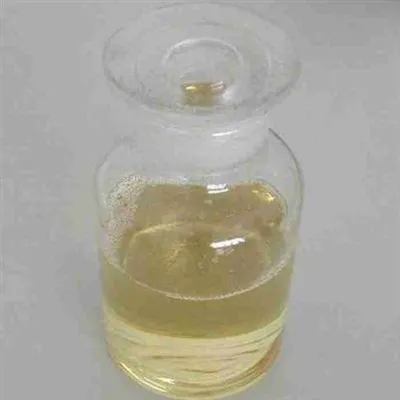
As a leaching agent supplier, I’ve seen a lot of different situations. And I’m always happy to help our clients figure out the best option for them. We have a wide range of leaching agents in stock, and we can provide technical support to make sure you’re using them safely and effectively.
Dithiophosphate If you’re in the market for leaching agents and want to have a chat about the cost – effectiveness of different options for your specific situation, don’t hesitate to reach out. I’m here to answer your questions and help you make the most cost – effective choice for your mining or extraction operation.
References
- Marsden, J. O., & House, C. I. (2006). The Chemistry of Gold Extraction. Society for Mining, Metallurgy, and Exploration.
- Gadkari, P. B. (2012). Hydrometallurgy: Fundamentals and Applications. CRC Press.
- Peters, E. D. (2009). Metallurgical Processing of Gold Ores. SME Mining Engineering Handbook.
Bitop Bihope Qingdao Mining Co., Ltd
Bitop Bihope Qingdao Mining Co., Ltd. is one of the most professional leaching agent manufacturers and suppliers in China, featured by quality products and low price. Please rest assured to buy discount leaching agent in stock here and get quotation from our factory. Customized orders are welcome.
Address: Room 410, 4th Floor, Shengquan Business Building, No. 263 Yitong Road, Huangdao District, Qingdao City, Shandong Province, China
E-mail: btbhmining@163.com
WebSite: https://www.btbhmining.com/
