Can a Ceramic Flap Disc be used on wood? Ceramic Flap Disc

As a ceramic flap disc supplier, I often get asked a variety of questions about the application and suitability of our products. One of the most common queries is whether a ceramic flap disc can be used on wood. In this blog, I’ll delve into this topic, exploring the technical aspects, potential benefits, and limitations of using ceramic flap discs on wood surfaces.
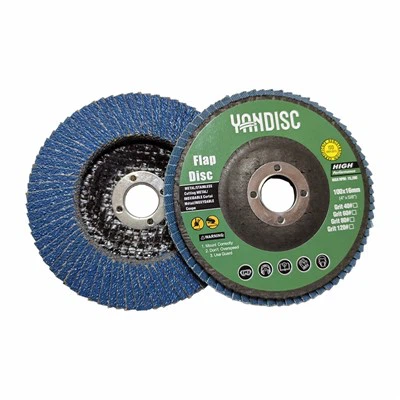
First, let’s understand what a ceramic flap disc is. A ceramic flap disc is a type of abrasive tool used for grinding, blending, and finishing metal and other materials. It consists of multiple overlapping abrasive flaps made from ceramic aluminum oxide grains bonded to a fiberglass backing. These flaps are arranged in a circular pattern and attached to a central hub. The ceramic grains are known for their high cutting efficiency, durability, and ability to self – sharpen during use.
Now, let’s consider the characteristics of wood. Wood is a natural and porous material with a wide range of hardness and density, depending on the species. Softwoods like pine and cedar are relatively easy to work with, while hardwoods such as oak and maple are denser and more resistant to abrasion. Wood also has a distinct grain structure that can affect the sanding and finishing process.
In theory, a ceramic flap disc can be used on wood. The abrasive nature of the ceramic grains means that they can effectively remove material from the wood surface, similar to how they work on metal. However, there are several factors that need to be considered before using a ceramic flap disc on wood.
One of the main concerns is the aggressiveness of the ceramic flap disc. Ceramic grains are designed to provide a fast and aggressive cut on hard materials like metal. When used on wood, this high cutting action can lead to over – removal of material, especially on softer woods. This over – removal can result in uneven surfaces, deeply gouged areas, and a loss of the natural texture and integrity of the wood.
Another issue is the heat generation. During the grinding and sanding process, friction between the abrasive and the wood surface generates heat. Ceramic flap discs, due to their high cutting efficiency, can produce a significant amount of heat. Excessive heat can cause the wood to char, darken, and even catch fire in extreme cases. This not only affects the appearance of the wood but can also compromise its structural integrity.
The grain size of the ceramic flap disc is also crucial. For woodworking, a finer grain size is generally preferred to achieve a smooth finish. However, most ceramic flap discs are designed with coarser grain sizes for metalworking applications. Using a coarse – grained ceramic flap disc on wood will leave deep scratches and a rough surface, requiring additional sanding with finer abrasives to achieve the desired finish.
Despite these limitations, there are some situations where a ceramic flap disc can be used effectively on wood. For example, if you need to quickly remove a large amount of material from a rough or uneven wood surface, such as when preparing a reclaimed wood plank, a ceramic flap disc can be a practical choice. Just be sure to use it with caution and control the pressure and speed to minimize the risk of over – removal and heat damage.
If you do choose to use a ceramic flap disc on wood, here are some tips to ensure a successful outcome:
- Select the appropriate grain size: Look for a finer – grained ceramic flap disc. A 120 – 180 grit is a good starting point for most woodworking tasks. This will help reduce the risk of scratching the wood surface too deeply.
- Control the speed and pressure: Use a low – speed setting on your power tool and apply light, even pressure. This will help manage the cutting action and prevent over – removal of material and excessive heat generation.
- Keep the disc clean: Wood dust can clog the abrasive flaps, reducing their cutting efficiency. Regularly clean the disc by brushing off the dust or using compressed air.
- Test on a scrap piece: Before working on your main wood project, test the ceramic flap disc on a small, scrap piece of the same type of wood. This will allow you to assess the cutting action and make any necessary adjustments.
In conclusion, while a ceramic flap disc can technically be used on wood, it is not the first choice for most woodworking applications due to its aggressive cutting nature and potential to cause damage. However, in certain situations where rapid material removal is required, it can be a useful tool if used correctly.
If you’re interested in learning more about ceramic flap discs and their potential applications in both metal and woodworking, I invite you to reach out for a consultation. We can discuss your specific needs and provide you with the best solutions for your projects. Whether you’re a professional tradesperson or a DIY enthusiast, we’re here to help you find the right abrasive products for your work. Contact us to start the conversation and explore how our ceramic flap discs can meet your requirements.
Flap Disc References:
- Industrial Abrasives Handbook
- Woodworking Guidelines and Best Practices Manual
Henan Yandisc Hardware Tools Co., Ltd.
As one of the most professional ceramic flap disc manufacturers and suppliers in China, our products have good reputation in the market. Please feel free to wholesale high quality ceramic flap disc made in China here from our factory. Customized orders are welcome.
Address: Zinan Road, High-tech Industrial Development Zone, Zhengzhou, Henan, China
E-mail: info@yandisc.com
WebSite: https://www.yandisc.com/
