Hey everyone! If you’ve ever wandered down the supplement aisle lately, chances are you’ve seen those little bright green spirulina tablets next to your multivitamins, maybe even wondered if they’re for you. As someone who’s spent the last few years working in spirulina tablet supply—chatting with everyone from fitness coaches to busy moms to people with super specific food restrictions—I get this question all the time: can people with food allergies actually take spirulina tablets? Spirulina Tablet

First off, let’s cut through the noise. A lot of the confusion around spirulina and allergies comes from what spirulina actually is, and how it’s made. Spirulina isn’t a plant, it’s a type of blue-green algae, right? And when we source and process it, we don’t mix in all the common allergens that show up in so many other supplements or packaged foods. But wait—don’t hit that back button yet, because it’s not a straight “yes” or “no” answer. Let’s break this down like I would when I’m explaining this to my cousin who’s allergic to nuts and can’t touch protein bars without checking every label three times.
A huge number of the people I talk to have allergies to common stuff like nuts, dairy, soy, wheat, or even shellfish. When I started in this business, a customer reached out panicking because her shellfish allergy was so bad she had to avoid even seaweed-based snacks. Spirulina is algae, not seaweed, and when we test our tablets, we don’t find any cross-contamination from shellfish, soy, or dairy—we do third-party testing for that specifically, because we know how important it is. But here’s the thing: no two allergies are the same. Some people have mild reactions that are just a tiny itchy throat, others have anaphylaxis, so we never make blanket claims like “everyone with allergies can take this.”
Let’s get real about the science, but keep it simple. Spirulina’s main components are proteins, phycocyanin (that’s the bright blue pigment that makes it look neon), vitamins, minerals, and antioxidants. For most people with common food allergies, these components aren’t triggers. But wait a second—what about people who are allergic to algae or seaweed? That’s a smaller group, but it exists. I remember a customer last year who had a reaction to chlorella (another algae supplement) and thought spirulina would be the same, but when we talked through her reaction, she realized it was specific to chlorella’s cell walls, not all algae. Still, we always advise anyone with a known algae allergy to chat with their doctor first before trying spirulina tablets.
Another big one: cross-contamination during processing. That’s the part that trips up a lot of supplement brands. If a factory makes peanut butter one day and spirulina tablets the next, even if they clean the lines, there might be tiny traces of peanut left over. That’s why we work with specific manufacturing partners who only make algae-based supplements—no peanuts, no soy, no dairy, no wheat, no nuts in their facility at all. That’s a big deal. I’ve heard horror stories from customers who bought cheap spirulina online and ended up with a reaction because of cross-contamination, so that’s why we pour so much into making sure our production process is clean.
Wait, but what about people who have reactions to supplements in general? Like, not a specific food allergy, just weird sensitivities? I get that too. A lot of people think spirulina will upset their stomach, but that’s usually because they take too much too fast, or they’re dehydrated. We always tell new customers to start with one tablet a day, work their way up, and take it with food—not on an empty stomach. Most people don’t have issues once they adjust, but again, if you have a history of food-related stomach sensitivities, checking in with your doc is a good move.
I also get questions from people with less common allergies—like to yeast or even certain types of bacteria. Spirulina is grown in controlled freshwater ponds, right? We don’t use any yeast or bacteria in our growth process, so those allergens aren’t present, but I still tell those customers to reach out so we can point them to our latest test results, just to be 100% transparent. Transparency is everything in this business, especially when people’s health is on the line.
Let me share a quick story that stuck with me. A few months back, a teacher from Chicago reached out—she’s allergic to soy, wheat, and all tree nuts, and she’d been struggling to find a multi-supplement that didn’t make her break out or give her a headache. She tried our spirulina tablets, and a week later she wrote back saying she’s been taking them for a month, no issues, and she has more energy for her after-school clubs. That’s the stuff that makes this job worth it. But another time, a customer with a severe algae allergy tried a sample, and even though we tested it, she had a mild reaction—so we learned that we can never be too careful, and we always emphasize checking with a healthcare provider first.
Here’s the thing I wish more people knew: supplements aren’t regulated the same way prescription drugs are, which means brands can get away with cutting corners on testing for allergens. That’s why when we developed our spirulina tablets, we decided to invest in third-party allergen testing—we pay for those tests every batch, not just once a year, so we can send customers a copy of their specific batch’s results if they ask. No fine print, no hidden stuff.
So, to circle back to the original question: can people with food allergies take spirulina tablets? The short answer is, for most people with common food allergies like nuts, dairy, soy, wheat, or shellfish, yes, as long as you get a high-quality tablet from a brand that tests for cross-contamination. But there are exceptions—if you have a known algae allergy, or a history of severe anaphylaxis, definitely chat with your doctor first before adding spirulina to your routine.
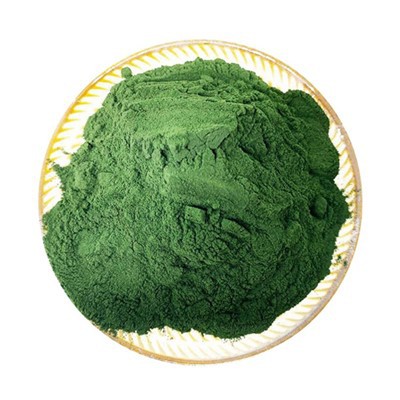
At the end of the day, this is about people’s well-being. We don’t sell something that we wouldn’t give to our own families, and that means being honest about the limits, not just hyping the benefits. If you have specific food allergies and you’re curious about our spirulina tablets, or you have questions about our testing process, feel free to reach out to us to talk through it—no pressure, just real answers. We’re here to help you make the best choice for your health, not just make a sale.
Chlorella Pyrenoidosa References
- American College of Allergy, Asthma & Immunology. (2022). Common food allergies and cross-contamination risks in dietary supplements.
- Journal of Dietary Supplements. (2021). Allergen content in algae-based supplements: A systematic review of current manufacturing practices and testing standards.
- Food and Drug Administration. (2020). Dietary supplement labeling and allergen labeling requirements.
- Allergy, Asthma & Clinical Immunology. (2019). Adverse reactions to blue-green algae supplements: A case series and review of the literature.
Dongtai City Spirulina Bio-Engineering Co., Ltd.
As one of the most experienced spirulina tablet manufacturers and suppliers in China, we offer a wide range of products with superior quality. Please feel free to buy bulk spirulina tablet made in China here from our factory. Good service and reasonable price are available.
Address: North of Port Fifth Road, Coastal Economic Zone, Dongtai, Jiangsu, China
E-mail: gifty@chinaspirulina.com
WebSite: https://www.chinaspirulina.com/
