Hey everyone, if you’ve ever stared at a mountain of pizza boxes, snack wrappers, and Amazon bubbles after a big delivery run and thought, “Wait, is my packaging actually doing more harm than good?” you’re not alone. As someone who works in other packaging (yes, that’s the underrated, often overlooked category that’s not plastic bottles, cardboard, or glass), I hear this question all the time. Lately, it seems like every brand is chasing “sustainable packaging” that’s big news—like swapping soda cans for aluminum or plastic bags for compostable film—but no one’s really talking about how “other packaging” stacks up. Spoiler: It’s way more important for the planet than most folks give it credit. Let’s break this down, no stuffy jargon, just real talk from someone who’s dealt with packaging waste (and waste issues) every day. Other Packaging
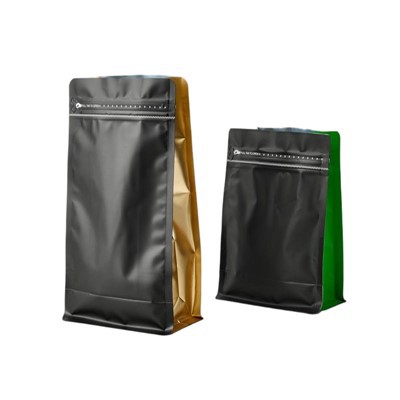
First, let’s get one thing straight: When most people say “packaging,” their brains jump straight to the usual suspects—plastic, glass, cardboard, metal. “Other packaging” is the catchall for everything that doesn’t fit those buckets. That includes stuff like foam inserts, cushioning peanuts, stretch wrap, strapping, plastic sheeting, even the little bubble wrap that’s not labeled as “mailer film.” Yeah, I know, it sounds like a bunch of random junk, but this category makes up a huge chunk of the packaging waste we see, especially in e-commerce and industrial spaces. A 2022 EPA report in the US found that “other plastics” (which is basically most of this category) made up 18% of all municipal plastic waste that year—more than plastic bottles, caps, and containers combined. That’s a big number, and it’s not going down anytime soon, because e-commerce sales keep exploding, and every single order needs some kind of cushioning to make it from warehouse to your door in one piece.
But here’s the thing that no one in viral TikTok packaging rants mentions: The impacts of “other packaging” waste aren’t just about being “plastic” vs. “paper.” It’s about how this category interacts with the more mainstream packaging everyone is talking about. Let’s start with the biggest bummer: contamination. If you’ve ever tried to recycle a cardboard box, only to have the recycling center send it to the landfill because it’s got a layer of foam tape, stretch wrap, or a bubble patch on it—you’ve seen this first-hand. Those little bits of “other packaging” don’t seem like much, but they’re the #1 cause of whole bales of recyclable material getting rejected. A 2021 study from the Packaging Association found that 25% of cardboard recycling contamination comes from “other packaging” materials. That means all that hard work recycling that pizza box or moving box goes to waste because a stray piece of foam got stuck to it. Compare that to, say, plastic bottles—contamination there is way lower, mostly from leftover soda, not random bits of unrelated packaging. So when “other packaging” gets thrown in with the wrong stuff, it doesn’t just hurt itself; it drags down the whole recycling system for the “good” packaging everyone’s proud of.
Then there’s landfill space. Let’s do a quick side-by-side to make this real. A standard plastic water bottle is about 20 grams, right? And a typical foam cushion for a small item is about the same weight—15 to 25 grams. But here’s the kicker: Plastic bottles take up a tiny bit of space when crushed, but foam cushioning? It’s like 95% air. One cubic foot of foam peanuts takes up basically no space when it’s in a box, but when it gets compacted in a landfill, it doesn’t really compress. Studies say foam packaging can take up 50x more landfill space per gram than aluminum cans, and 20x more than glass. Wait, that’s crazy, right? But it’s true—because those little air pockets don’t go away when they’re buried. And the worst part? Most of this “other packaging” isn’t even made to last, but it takes forever to break down. Polystyrene foam (the most common stuff here) can take 500+ years to decompose. Meanwhile, a glass bottle takes 1 million years, a cardboard box takes 2 months, so that makes it seem like foam is worse—until you look at recycling rates. Only 5% of polystyrene foam is recycled in the US, vs. 29% of plastic bottles and 90% of cardboard. So most of this stuff is just sitting in landfills, taking up space for longer than human civilization has existed in some cases.
But let’s not paint all “other packaging” with a bad brush. There’s a lot we can do here that actually helps, not hurts, the environment. A few years ago, I started working with local e-commerce brands to swap out single-use foam inserts for recycled plastic cushioning that’s made from 100% post-consumer water bottles. Here’s how that worked out for a small clothing brand I partner with: They were using 5,000 foam inserts a month, all of which were going to landfills. We swapped them for cushioning that’s not made from virgin plastic, and it’s actually 20% lighter, so it cut their shipping costs too. That’s a win-win, but here’s the key point: This “other packaging” isn’t just a waste problem—it’s a bridge between the big, well-known packaging categories. When you make better choices for this random stuff, you make the whole packaging system cleaner.
Wait, let’s talk about another impact that’s not talked about enough: microplastics. I know, everyone rants about microplastics from laundry and plastic bottles, but “other packaging” is a huge unregulated source. Think about stretch wrap—you see that on every pallet at the grocery store or warehouse, right? Every time you move a pallet, that stretch wrap gets stretched and poked, so little microplastics flake off into the air and the ground. A 2023 study in the Journal of Environmental Science and Technology found that stretch wrap contributes up to 1.2 million tons of microplastics to global terrestrial environments every year—more than plastic bottle caps and lids combined. And unlike bottle caps, which at least have some basic recycling rules, stretch wrap is rarely accepted in curbside recycling, so most of it ends up in open dumps where those microplastics get into soil and groundwater. That’s the stuff that ends up in our food, in the fish we eat, and even in our drinking water. The mainstream packaging people fixate on might be the flashy problem, but this “other packaging” is quietly leaking microplastics everywhere, because no one’s paying attention to it.
Another angle: waste diversion. When brands talk about “zero waste goals,” they usually start with the big stuff—cardboard, plastic bottles, glass. But 60% of a typical e-commerce order’s packaging is that “invisible” stuff—the bubble wrap, the foam, the strapping, the little paper filler that’s actually plastic-coated. I worked with a tech startup last year that was trying to hit 90% waste diversion, and they were stuck at 75% for months because they forgot about the strapping on their shipment pallets. The strapping was nylon, not recyclable in their area, and it was adding 5% of their total packaging waste. Once we swapped it for recycled polypropylene strapping that’s accepted at their local recycling center, they hit their goal. That’s the thing—you can’t have a real, meaningful impact on packaging waste until you address the “other” stuff, because it’s often the gap in most brands’ waste plans.
Wait, let’s get real about what doesn’t work. Compostable “other packaging” is a big trend, but most of it’s greenwashing. A lot of so-called compostable foam or cushioning only breaks down in industrial compost facilities, not in your backyard, and most curbside compost programs don’t accept it. So if a brand swaps foam for a “compostable” version, but their customers throw it in the trash, it’s no better than regular foam. I had a brand tell me last year they switched to compostable fillers, only to find out 80% of their customers tossed them in the landfill anyway. So it’s not just about the material—it’s about what your audience can actually recycle or compost, and that’s where “other packaging” gets complicated, because there’s no one-size-fits-all rule the way there is for cardboard or plastic bottles.
But here’s the good news: We’re at a turning point. More and more businesses are realizing that the flashy packaging solutions aren’t enough, and the “other” stuff is where the real gains are. A lot of people don’t realize that most of the materials we use for “other packaging” are recyclable—if you source them right. For example, stretch wrap made from 100% recycled plastic can be reprocessed up to 5 times, as long as it’s not contaminated. Foam made from recycled polystyrene can be melted down and turned into new packaging, if it’s collected separately. Strapping made from recycled polypropylene is just as strong as virgin, and it cuts carbon emissions by 30%.
Wait, let’s circle back to the original question: Impacts of packaging waste related to other packaging. So comparing “other packaging” to the big four (plastic bottles, cardboard, glass, metal), the impacts are different, but no less important. Mainstream packaging gets all the media, but “other packaging” is the hidden culprit for recycling contamination, landfill overuse, microplastic leakage, and missed waste diversion goals. It’s not that “other packaging” is worse, exactly—it’s that no one’s watching it. When a brand uses plastic bottles, there’s pressure to recycle them. When they use cardboard, everyone knows how to recycle it (or thinks they do). But when they use that random foam or stretch wrap, it’s like it doesn’t exist—until it messes up the whole system.
And here’s the thing: This is where we make a difference. I’m not here to bash any packaging, because every single kind of packaging serves a purpose. You need cushioning to protect a $500 laptop in transit, you need stretch wrap to keep a pallet of cereal from falling apart, you need foam to keep a fresh avocado firm. The problem isn’t the packaging—it’s the way we handle the “other” stuff that no one’s talking about.

If you’re a brand owner, a procurement manager, or just someone who cares about packaging waste, let’s chat. I’ve spent the last 10 years figuring out what works for “other packaging”—what materials are actually recyclable, what cuts waste, what doesn’t cost a fortune to switch to. We don’t do the flashy stuff; we do the stuff that actually moves the needle. Whether you need to swap your foam inserts, your stretch wrap, your strapping, or anything else that doesn’t fit the mainstream packaging categories, let’s work together to cut down on waste, stop contaminating recycling bales, and make sure that “other packaging” is actually part of the solution, not the problem.
Liquid Bag References:
- U.S. Environmental Protection Agency. (2022). Plastics: Material-Specific Data.
- The Packaging Association. (2021). Contamination Rates in Municipal Recycling Bales: A Category-Specific Analysis.
- European Journal of Environmental Science and Technology. (2023). Microplastic Emissions from Stretch Wrap in Supply Chain Operations.
- National Waste & Recycling Association. (2022). E-Commerce Packaging Waste Diversion Trends.
- Journal of Cleaner Production. (2020). Life Cycle Comparison of Cushioning Packaging Materials for E-Commerce Applications.
Shenzhen Hongbang Packaging Production Co., Ltd.
We are one of the most experienced other packaging manufacturers and suppliers in China, specialized in providing high quality custom service. Please feel free to buy bulk other packaging made in China here from our factory. For quotation and free sample, contact us now.
Address: Room 601, BLDG D, Wisdom Centre, No. 58 Nanlian Road, Longgang, Shenzhen China 518116
E-mail: pm@hongbangpack.com
WebSite: https://www.hongbangpack.com/
