A few months ago, I got a call from a data center operations manager in Texas. His team was refreshing their underfloor cabling layout to support 500 new servers, and he was staring at a stack of 120 used raised floor panels in his loading dock—pristine on the surface, but facing the dumpster because the contractor who’d installed the original system said “used panels aren’t worth the risk.” I’ve been a raised floor panels supplier for 12 years now, and that call stuck with me because it’s a question I hear constantly: can raised floor panels actually be reused, or is that myth part of why so many perfectly good components end up in landfills? Today, I want to break this down not just as a supplier, but as someone who’s worked with hundreds of facilities across healthcare, finance, and tech—covering the science, the real-world pitfalls, and when reusing makes total sense. Raised Floor Panels
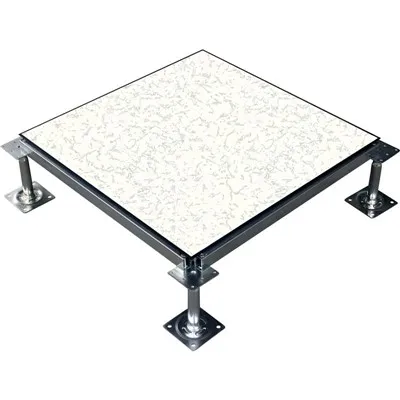
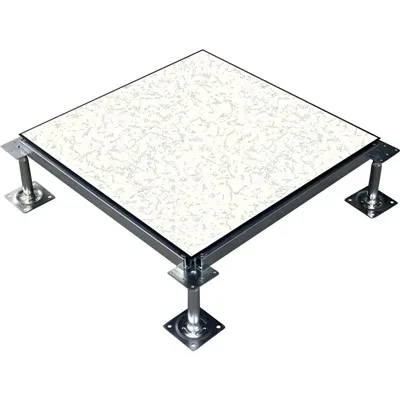
First, let’s get one thing straight: raised floor panels aren’t all the same. You can’t judge a panel’s reusability by whether it looks clean. The core material, load rating, surface finish, and how it was handled during its first life make all the difference. Most standard panels used in offices and data centers have three core types: steel, aluminum, or wood-composite (usually high-density fiberboard, or HDF). Steel and aluminum panels are the workhorses here—they’re structurally rigid, corrosion-resistant if treated right, and take repeated load pressure well. HDF panels, on the other hand, absorb moisture like a sponge. If an HDF panel was ever exposed to even a small leak under the floor, it warps, loses its structural integrity, and is basically unfit for reuse. That’s the first filter I always walk customers through: start with the core, not the appearance.
Next, there’s load rating. Every raised floor panel has a specified point load rating, measured in pounds or kilonewtons, that tells you how much weight it can support without bending or failing. Original equipment panels are designed to handle the equipment they’re supporting—from office chairs and file cabinets to 2-ton server racks. When a facility is repurposed, say from a general office to a data center, the load requirements jump up sharply. A panel that was rated for 2,000 pounds for office use might not cut it for a server rack that needs a 10,000-pound rating. That’s not a flaw in reuse—that’s a mismatch in specification. But if you’re just rearranging server racks within the same data center, or refreshing office cubicles, that original load rating is almost always enough. I’ve had a customer in Chicago reuse 300 steel panels that were rated for 12,000 pounds for 7 years, and they held up perfectly when he moved them to a new section of the same facility.
Now, let’s talk about the hidden damage that’s not visible to the naked eye. I’ve seen panels that look brand new, but have hidden cracks in the core from being dropped during installation or moved around too much. Steel panels can rust from condensation under the floor, even if the surface is painted, and aluminum can get galvanic corrosion if they’re placed near other metal components that are incompatible. The surface finish is another big one: the antistatic or non-slip coating on raised floor panels wears down over time. If that coating is faded or chipped, it might not meet the new facility’s fire code requirements or ESD (electrostatic discharge) standards for electronics. That’s a critical point for data centers and server rooms—ESD failures can fry thousands of dollars worth of hardware in seconds, so you can’t cut corners here.
But here’s the part most contractors won’t tell you: reusing panels isn’t just possible—it’s often a smart, cost-effective choice when done right. I worked with a large hospital network in Florida two years ago that was expanding its IT department. The original construction used 800 raised floor panels for their server bay, and when they expanded, the project manager wanted to buy new panels to keep consistent. I walked him through a process we’d refined over years of supplying reusable panels, and we assessed the old ones first. We pulled random samples, tested their load ratings with a standard pressure test, checked for moisture and corrosion, and verified the ESD coating thickness. We found that 92% of the panels met all current standards—they just had a few scuffs on the surface that we could resurface for a fraction of the cost of new panels. The hospital saved over $18,000 on that project, and the panels have been in use for three years with zero issues. That’s not an anomaly—we supply reusable panels to 20% of our clients for exactly that reason.
There are, of course, cases where reusing panels is a bad idea, and it’s important to be honest about those. If a panel has a water-stained or warped HDF core, it’s out—moisture breaks down the binders in HDF, and no amount of repair will bring its load rating back up. If a facility is upgrading from a light-use office space to a high-density data center with 20,000-pound rack loads, old panels might not meet the new standards, and trying to reuse them would be a safety hazard. Also, if panels were exposed to harsh chemicals, like in a pharmaceutical lab or manufacturing facility, their core can degrade over time, and that’s not detectable with a quick visual check.
Another factor that often gets overlooked is disposal and sustainability. The construction industry generates over 600 million tons of waste in the U.S. alone every year, according to the EPA, and raised floor panels are a small but growing part of that waste stream. Most panels aren’t recyclable because of their layered structure—steel core, wood-composite, surface coating, all glued together. Reusing a panel cuts down on that waste, reduces carbon emissions from manufacturing new panels, and saves money. For facilities looking to meet ESG goals, reusing raised floor panels is an easy, measurable win.
Now, let’s get practical: how do you actually reuse raised floor panels correctly, if you’re considering it? First, always work with a supplier (or a third-party assessor) who can test the panels, not just inspect them. A visual check isn’t enough—you need to conduct a load test, check for corrosion or moisture in the core, verify ESD compliance, and make sure the dimensions match the new system (standard raised floor panels are 2×2 feet, but there are custom sizes too). Second, handle the panels properly during removal and transport. Dropping panels, stacking them too high, or dragging them across the floor can cause hidden core damage, so use dollies and lift them carefully. Third, repair or resurface only the parts that need it—scuffed surfaces can be recoated with ESD-compliant paint for a fraction of the cost of new panels, and small edge chips can be fixed with epoxy filler.
I’ll be honest with you: when I started in this business 12 years ago, I was skeptical about reusing panels too. I’d seen too many cases where a customer tried to cut corners, bought a batch of used panels without testing, and ended up with a failed panel that took down part of a server network. But as I’ve built relationships with clients and refined our process for assessing reusable panels, I’ve seen that when done correctly, it’s a safe, cost-effective, and sustainable choice. The old myth that used raised floor panels are “too risky” comes from two places: contractors who don’t want to take the time to test panels and would rather sell new ones, and customers who try to cut corners by skipping the assessment step.
If you’re in the process of planning a facility upgrade, expanding your IT space, or refreshing your cabling layout, don’t write off those used panels just because a contractor says they’re not worth it. Give us a call to discuss your specific needs—we can walk you through assessing your existing panels, testing their compliance, and finding a solution that saves you money without sacrificing safety or performance. Whether you have 50 panels or 5,000, we can help you figure out if reuse is right for your project.
Low Profile Raised Floor References
U.S. Environmental Protection Agency. (2022). Construction and Demolition Waste Generation, Recycling, and Disposal in the United States. EPA Report.
Telecommunications Industry Association. (2021). Standard for Raised Access Floor Systems for Telecommunications Rooms and Data Centers. TIA-942-B.
National Fire Protection Association. (2020). Standard for the Installation of Electrical Systems. NFPA 70.
Fineco Tech Co., Ltd.
As one of the most professional raised floor panels manufacturers and suppliers in China, we’re featured by quality products and good service. Welcome to wholesale customized raised floor panels made in China here from our factory. If you have any enquiry about cooperation, please feel free to email us.
Address: Wuyue Square, Wujin District, Changzhou, Jiangsu, China
E-mail: info@finecotech.com
WebSite: https://www.finecoglobal.com/
