When it comes to permanent magnets, bar magnets are some of the most commonly recognized and widely used. As a leading supplier of bar magnets, I’ve fielded numerous questions about the nature of these remarkable objects. One particularly intriguing inquiry that often surfaces is: How does the magnetic field of a bar magnet change over time? In this blog post, we’ll delve into the science behind bar magnet magnetic fields, explore the factors that can influence their long – term stability, and discuss practical implications for various applications. Bar Magnets
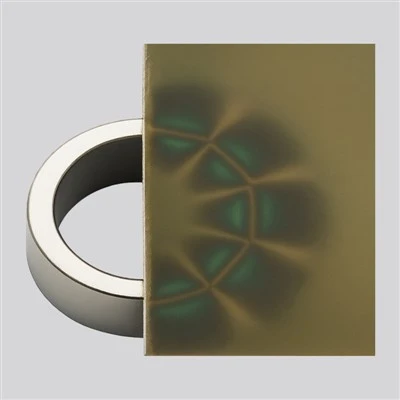
Understanding the Magnetic Field of a Bar Magnet
Before we dive into how the magnetic field of a bar magnet might change, it’s essential to understand what this magnetic field is in the first place. A bar magnet, as you know, has two poles – a north pole and a south pole. The magnetic field is a vector field that describes the magnetic influence on moving electric charges, electric currents, and magnetic materials.
In a bar magnet, the magnetic field lines emerge from the north pole and enter the south pole. The density of these field lines represents the strength of the magnetic field; the closer the lines, the stronger the field. Near the poles of the bar magnet, the field lines are very close together, indicating a strong magnetic field. As you move further away from the magnet, the field lines spread out, and the magnetic field strength decreases.
The magnetic field of a bar magnet can be described using mathematical formulas based on Ampere’s law and the Biot – Savart law. However, for our practical purposes, we can think of the magnetic field as a three – dimensional region around the magnet where magnetic forces can be detected.
Factors Affecting the Long – Term Stability of a Bar Magnet’s Magnetic Field
Temperature
One of the most significant factors that can affect the magnetic field of a bar magnet over time is temperature. All magnets have a characteristic temperature known as the Curie temperature. For a bar magnet made of a ferromagnetic material like iron, nickel, or cobalt, when the temperature approaches the Curie temperature, the thermal energy disrupts the alignment of the magnetic domains within the magnet.
Magnetic domains are small regions within the magnet where the magnetic moments of the atoms are aligned in the same direction. When these domains are aligned, they create a macroscopic magnetic field. As the temperature rises and gets closer to the Curie temperature, the random thermal motion of the atoms causes these domains to become misaligned. This leads to a decrease in the overall magnetic field strength of the bar magnet.
If the bar magnet is constantly exposed to high temperatures over an extended period, the magnetic field can gradually weaken even if the temperature does not reach the Curie temperature. This is because the thermal energy can slowly break down the magnetic alignment within the domains. On the other hand, extremely low temperatures generally have a positive effect on the magnetic field. At very low temperatures, the thermal motion of the atoms is minimized, and the magnetic domains remain more firmly aligned, resulting in a more stable and potentially stronger magnetic field.
Mechanical Stress
Mechanical stress is another factor that can influence the magnetic field of a bar magnet over time. When a bar magnet is subjected to external forces such as bending, hitting, or vibration, the crystal structure of the ferromagnetic material can be altered. This change in the crystal structure can disrupt the alignment of the magnetic domains.
For example, if a bar magnet is dropped repeatedly, the impact can cause the domains to become misoriented. The mechanical stress can create dislocations or defects in the crystal lattice of the magnet material. These defects act as barriers to the movement of domain walls, which are the boundaries between adjacent magnetic domains. As the domain walls can no longer move freely, the overall alignment of the magnetic moments in the domains is affected, leading to a reduction in the magnetic field strength.
External Magnetic Fields
Exposure to external magnetic fields can also have an impact on the magnetic field of a bar magnet. If a bar magnet is placed in a strong external magnetic field that is oriented in a direction opposite to its own magnetic field, the external field can gradually re – orient the magnetic domains within the magnet. This process is known as magnetization reversal.
The rate at which magnetization reversal occurs depends on the strength of the external magnetic field and the coercivity of the bar magnet. Coercivity is a measure of a magnet’s resistance to being demagnetized. A bar magnet with high coercivity will be more resistant to the effects of external magnetic fields, while a magnet with low coercivity can be more easily demagnetized.
Measuring Changes in the Magnetic Field of a Bar Magnet
To monitor the changes in the magnetic field of a bar magnet over time, several methods can be employed. One of the most common methods is using a gaussmeter. A gaussmeter is a device that measures the magnetic field strength at a specific point in space. By taking regular measurements at a fixed distance from the bar magnet, we can detect any gradual changes in the magnetic field strength.
Another method is to use a magnetic field mapping system. This system allows us to create a three – dimensional map of the magnetic field around the bar magnet. By comparing maps taken at different times, we can visualize how the magnetic field distribution has changed over time.
Practical Implications for Applications
The changes in the magnetic field of a bar magnet over time can have significant implications for various applications. In industries such as electronics, where bar magnets are used in motors, speakers, and sensors, a weakened magnetic field can lead to reduced performance. For example, in a motor, a decrease in the magnetic field strength can result in lower torque and less efficient operation.
In the field of medicine, bar magnets are used in some diagnostic and therapeutic devices. A change in the magnetic field can affect the accuracy and effectiveness of these devices. For instance, in magnetic resonance imaging (MRI) systems, the stability of the magnetic field is crucial for obtaining clear and accurate images.
Maintaining the Magnetic Field of Bar Magnets
As a bar magnet supplier, I can offer several tips on how to maintain the magnetic field of bar magnets over time. First, it’s important to store bar magnets in a cool and dry environment. Avoid exposing them to high temperatures and moisture, as these conditions can accelerate the deterioration of the magnetic field.
To prevent mechanical stress, handle bar magnets with care. Avoid dropping or striking them, and use appropriate packaging during storage and transportation. If possible, use shock – absorbing materials to protect the magnets from impacts.
When it comes to external magnetic fields, keep bar magnets away from other strong magnets or magnetic sources. If a bar magnet needs to be used in an environment with external magnetic fields, consider using shielding materials to reduce the influence of the external fields.
Conclusion
In conclusion, the magnetic field of a bar magnet can change over time due to various factors such as temperature, mechanical stress, and external magnetic fields. These changes can have far – reaching implications for the performance of bar magnets in a wide range of applications.
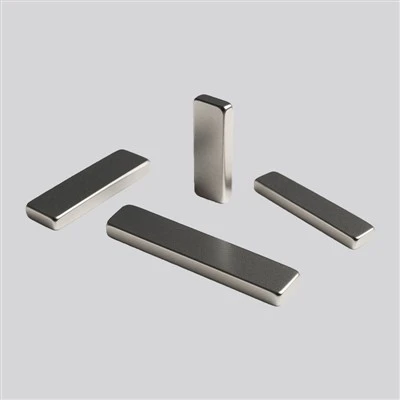
As a reliable bar magnet supplier, I’m committed to providing high – quality bar magnets that are designed to have stable magnetic fields over an extended period. We use advanced manufacturing techniques and high – quality materials to ensure the durability and performance of our products.
Cube Magnets If you’re in need of bar magnets for your specific application and want to learn more about how to ensure their long – term magnetic field stability, I encourage you to reach out to me. We can discuss your requirements in detail and provide you with the best – suited bar magnets for your project. Let’s start the conversation about how our bar magnets can meet your needs!
References
- "Introduction to Magnetic Materials" by C. D. Graham Jr. and J. M. Daughton
- "Magnetism and Magnetic Materials" by D. J. Craik
- Peer – reviewed articles on magnetic materials and magnetism from scientific journals such as "Journal of Magnetism and Magnetic Materials"
Dongguan Jinconn New Material Holdings Co., Ltd.
We’re well-known as one of the leading bar magnets manufacturers in China, featured by quality products and low price. Please rest assured to buy bulk advanced bar magnets in stock here from our factory. We also accept customized orders.
Address: Xiaohe Industry Zone, Daojiao Town, Dongguan City,Guangdong Province,China
E-mail: lena@jinconn.com
WebSite: https://www.jinconnmagnet.com/
