In the world of electrical connections, the question of whether one can use a non – polarized plug in a polarized socket is a common dilemma that many consumers face. As a supplier of plugs, I’ve encountered this query numerous times from customers, electricians, and DIY enthusiasts alike. In this blog post, I’ll delve into the technical aspects, safety implications, and practical considerations surrounding this issue. Plugs

The Basics of Polarized and Non – polarized Plugs
Let’s start by understanding what polarized and non – polarized plugs are. A non – polarized plug has two prongs that are identical in size and shape. These plugs are typically used for electrical devices that do not have a specific requirement for the flow of electrical current in a particular direction. Many small, low – power devices like lamps, radios, and some small kitchen appliances come with non – polarized plugs.
On the other hand, a polarized plug has one prong that is wider than the other. The wider prong is connected to the neutral wire, and the narrower one is connected to the hot wire. The purpose of polarization is to ensure that the electrical current flows in a correct and safe manner through the device. Devices that tend to have more complex electrical circuitry, higher power requirements, or that deal with sensitive components often use polarized plugs for safety and proper functioning.
Physical Compatibility
Physically, it is often possible to insert a non – polarized plug into a polarized socket. Since a polarized socket has one slot wider than the other to accommodate the polarized plug’s prongs, the two identical prongs of a non – polarized plug can usually fit into the slots. The narrow slot of the polarized socket can accept either prong of the non – polarized plug, and the same goes for the wider slot.
However, just because it physically fits doesn’t mean it is without consequences. The non – polarized plug does not follow the intended design of the polarized socket, which can lead to potential issues down the line.
Electrical and Safety Implications
Electrical Functionality
From an electrical functionality perspective, when a non – polarized plug is inserted into a polarized socket, the device may still operate as expected. Most electrical devices are designed to work regardless of the orientation of the current flow. For instance, a simple desk lamp will light up whether the current is flowing in one direction or the other through its non – polarized plug.
However, for more complex devices, the lack of proper polarization can cause problems. Some devices rely on the correct connection between the hot and neutral wires for their internal circuitry to function correctly. Using a non – polarized plug in a polarized socket can disrupt this proper connection, leading to malfunctions, reduced performance, or even premature failure of the device.
Safety Concerns
Safety is a major concern when using a non – polarized plug in a polarized socket. Polarization is a safety feature designed to protect users from electrical shock. The neutral wire in an electrical system is usually grounded, which means it is at or near zero volts. The hot wire, on the other hand, carries the full voltage of the electrical supply.
When a device is properly polarized, the wider prong (connected to the neutral wire) ensures that the device’s chassis or external parts are connected to the ground potential. This reduces the risk of electric shock if a user accidentally touches the device. When a non – polarized plug is used, there is no guarantee that the neutral wire will be connected correctly to the device. This means that the device’s external parts could potentially be at a high voltage, increasing the risk of electrical shock.
Moreover, in the case of a short – circuit or electrical fault, a properly polarized system is designed to trip the circuit breaker and cut off the power supply. Using a non – polarized plug can disrupt this safety mechanism, as the wrong connection may prevent the circuit breaker from functioning effectively.
Code and Regulations
Electrical codes and regulations vary from region to region, but in many places, there are strict rules regarding the use of polarized and non – polarized plugs. These codes are in place to ensure the safety of electrical systems in homes, commercial buildings, and other settings.
In some areas, it is illegal to use a non – polarized plug in a polarized socket, especially in new construction or during electrical upgrades. Building inspectors may require that all electrical devices are properly polarized and that the plugs match the sockets. Violating these codes can result in fines, failed inspections, or even insurance issues in the event of an electrical accident.
Practical Solutions and Recommendations
If you find yourself in a situation where you have a non – polarized plug and a polarized socket, there are a few options.
Using an Adapter
One solution is to use a polarized to non – polarized adapter. These adapters are readily available at hardware stores and electrical supply shops. They allow you to connect a non – polarized plug to a polarized socket while still maintaining the proper electrical connection. However, it’s important to note that using an adapter does not solve the root problem of the lack of polarization in the device itself. It is merely a temporary fix.
Replacing the Plug
A more permanent solution is to replace the non – polarized plug with a polarized one. This requires a bit of basic electrical knowledge and the right tools. You’ll need to carefully disconnect the old plug from the device’s wires and then connect the new polarized plug, making sure to match the wires correctly (usually, the white wire goes to the neutral prong, and the black wire goes to the hot prong). If you’re not comfortable doing this yourself, it’s best to hire a qualified electrician.
As a Plugs Supplier
As a plugs supplier, I understand the importance of providing the right products for the right applications. We offer a wide range of plugs, including both polarized and non – polarized options, to meet the diverse needs of our customers. Our products are manufactured to meet the highest safety standards and comply with relevant electrical codes.
We also provide technical support and advice to our customers. If you’re unsure whether to use a polarized or non – polarized plug for a particular device, or if you have any questions about the compatibility of plugs and sockets, our team of experts is here to help. We believe in educating our customers about electrical safety and proper plug usage to ensure that they can make informed decisions.
Encouragement to Contact for Purchase and洽谈
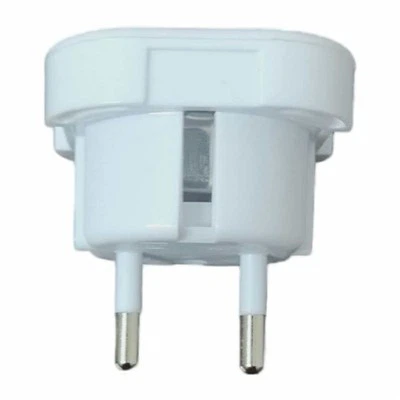
If you’re in the market for high – quality plugs, whether polarized or non – polarized, we’d love to hear from you. We can supply plugs in various sizes and specifications to suit your specific requirements. Our competitive prices, excellent customer service, and reliable product quality make us a preferred choice for many businesses and individuals.
Socket Whether you’re an electrician working on a large – scale project, a DIY enthusiast doing home improvements, or a business owner in need of plugs for your products, we have the solutions you need. Please reach out to us to start a discussion about your plug requirements. We’re eager to work with you and provide you with the best possible products and service.
References
- National Electrical Code (NEC)
- IEEE Standards for Electrical Safety
- Manufacturer’s guidelines for electrical devices
- Electrical Installation Manuals
Foshan Haosheng Technology Co., Ltd.
As one of the leading plugs manufacturers and suppliers in China, we warmly welcome you to buy advanced plugs made in China here and get pricelist from our factory. All customized products are with high quality and competitive price.
Address: No.4, Jinsha Liansha Shangliang Development Zone Avenue, Danzao Town, Nanhai District, Foshan City, Guangdong Province, China
E-mail: 13925140140@163.com
WebSite: https://www.hssocket.com/
