Mini metal lathes are versatile tools widely used in various industries and hobbyist workshops. As a supplier of mini metal lathes, I often get asked about the lifespan of these machines. In this blog post, I’ll delve into the factors that influence how long a mini metal lathe usually lasts and offer some tips on extending its service life. Mini Metal Lathes

Factors Affecting the Lifespan of a Mini Metal Lathe
1. Build Quality
The build quality of a mini metal lathe is perhaps the most significant factor in determining its longevity. High – quality lathes are constructed using durable materials such as cast iron for the bed and headstock. Cast iron provides excellent stability and vibration dampening, which is crucial for accurate machining. Cheaper models may use lower – grade materials or thinner gauge metals, which can lead to premature wear and deformation.
For example, a well – built mini metal lathe with a solid cast – iron bed can withstand the rigors of continuous use for many years. On the other hand, a lathe with a thin – walled steel bed may start to warp or develop cracks after just a few months of heavy use.
2. Usage Frequency and Intensity
How often and how intensively a mini metal lathe is used plays a major role in its lifespan. A lathe that is used for light hobbyist work a few hours a week will generally last much longer than one that is used in a professional production environment for eight hours a day, five days a week.
In a professional setting, the lathe is subjected to high – volume machining, which can cause more rapid wear on components such as the spindle bearings, gears, and lead screws. The constant stress and heat generated during heavy machining can also lead to thermal expansion and contraction, which may affect the accuracy of the machine over time.
3. Maintenance and Care
Proper maintenance and care are essential for maximizing the lifespan of a mini metal lathe. Regular lubrication of moving parts is crucial to reduce friction and wear. The spindle, gears, lead screws, and other critical components should be lubricated according to the manufacturer’s recommendations.
In addition to lubrication, the lathe should be kept clean. Metal chips and debris can accumulate in the machine, causing damage to the moving parts and affecting its performance. Regularly cleaning the lathe with a brush and compressed air can prevent this problem.
Another important aspect of maintenance is checking and adjusting the alignment of the lathe components. Over time, the bed, headstock, and tailstock may become misaligned, which can lead to inaccurate machining and increased wear on the parts. Periodic alignment checks and adjustments can help ensure the lathe operates at its best.
4. Operator Skill
The skill level of the operator can also impact the lifespan of a mini metal lathe. A skilled operator knows how to set the appropriate cutting speeds, feeds, and depths of cut for different materials. This not only results in better – quality machining but also reduces stress on the lathe components.
In contrast, an inexperienced operator may use incorrect settings, which can cause excessive wear on the cutting tools, spindle, and other parts. For example, using too high a cutting speed can generate excessive heat, which can damage the spindle bearings and other heat – sensitive components.
Typical Lifespan of a Mini Metal Lathe
Based on my experience as a supplier, a well – built and properly maintained mini metal lathe can last anywhere from 10 to 30 years.
For hobbyist – grade mini metal lathes that are used infrequently, with light – duty tasks such as small – scale model making or jewelry work, they can last 20 to 30 years or even longer. These lathes are often not subjected to the same level of stress as professional – grade machines, and with basic maintenance, they can provide reliable service for a long time.
Professional – grade mini metal lathes, which are used in industrial or commercial settings for more demanding applications, typically have a lifespan of 10 to 20 years. The high – volume and high – intensity usage in these environments can cause more rapid wear on the components, but with regular maintenance and occasional component replacements, they can still serve for a considerable period.
Tips for Extending the Lifespan of a Mini Metal Lathe
1. Follow the Manufacturer’s Guidelines
The manufacturer’s user manual contains important information about the proper use, maintenance, and lubrication of the mini metal lathe. Following these guidelines is the first step in ensuring the long – term performance of the machine.
2. Use the Right Cutting Tools
Using high – quality cutting tools that are suitable for the material being machined is essential. Dull or inappropriate cutting tools can cause excessive stress on the lathe and lead to poor – quality machining.
3. Invest in a Good Workholding Device
A reliable workholding device, such as a chuck or collet, can help ensure that the workpiece is held securely during machining. This reduces vibration and improves the accuracy of the machining, which in turn reduces wear on the lathe components.
4. Keep a Maintenance Log
Maintaining a log of all maintenance activities, including lubrication, cleaning, and component replacements, can help you keep track of the lathe’s maintenance history. This can be useful for identifying potential problems early and ensuring that the machine is serviced at the appropriate intervals.
Conclusion
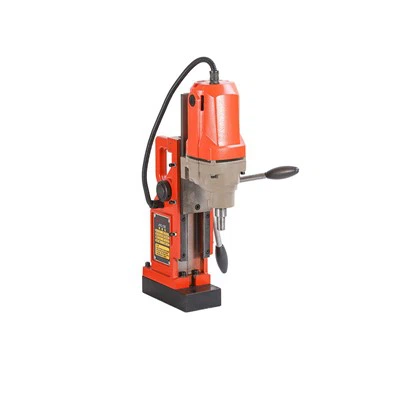
In conclusion, the lifespan of a mini metal lathe is influenced by several factors, including build quality, usage frequency and intensity, maintenance and care, and operator skill. By choosing a high – quality lathe, using it appropriately, and performing regular maintenance, you can expect your mini metal lathe to provide reliable service for many years.
CNC Metal Lathe If you’re in the market for a mini metal lathe or have any questions about our products, I encourage you to reach out to us. We’re here to help you find the right lathe for your needs and provide you with the support and advice you need to keep it running smoothly for a long time.
References
- Machinery’s Handbook, 31st Edition. This comprehensive reference book provides in – depth information on machining processes, tooling, and machine tool design.
- Metalworking Handbooks published by various industry associations. These handbooks offer practical advice on operating and maintaining metalworking equipment, including mini metal lathes.
YS Machine Tools Co., Ltd.
We’re well-known as one of the leading mini metal lathes suppliers in China, featured by quality products and good service. Please rest assured to buy customized mini metal lathes at competitive price from our factory. Contact us for more details.
Address: 300 Sandusky st, Ohio, 43611, USA
E-mail: yishoumachinetools@gmail.com
WebSite: https://www.ysmachinetool.com/
