Hey everyone, it’s Jake here—owner and lead sales rep for that exterior PU stone wall panel supplier you might’ve seen popping up on local construction forums. For the last 7 years, I’ve fielded one question more than any other: “Can your exterior PU stone wall panels actually hold up in tropical climates?” It’s totally fair to ask—tropical weather’s a total wildcard, right? I’ve seen real granite crack in 90% humidity and paint peel off vinyl siding by the third monsoon. So let’s cut the fluff, no corporate jargon, no AI-generated generic fluff—just the straight-up, tested answers that I’ve learned from actually installing these panels on homes and shops in places like Miami, Puerto Rico, and even parts of northern Australia. Exterior PU Stone Wall Panel
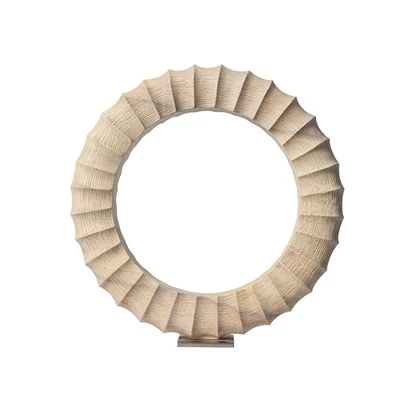
First, let’s get one basic thing out of the way: what even are exterior PU stone wall panels, anyway? I think a lot of folks mix them up with that flimsy fake stone stuff from the big box store that warps after a summer. Ours are 100% exterior-grade, made from a dense polyurethane core that’s infused with real stone aggregate. It’s lightweight, yeah—like half the weight of real natural stone, so you don’t need to reinforce your foundation like you would with 200-pound limestone slabs. But the core is just part of the puzzle. The skin? It’s a UV-stabilized acrylic coating, and we seal every edge with marine-grade silicone. That’s not overkill for tropical areas—that’s non-negotiable.
Now, let’s talk about the big tropical climate stressors, because that’s what really matters. First up: humidity. Tropical regions (think Singapore, Panama City, the Florida Keys) have constant, high humidity—usually 70-90% year-round. A lot of people worry that any panel will absorb moisture, leading to mold, mildew, or even swelling and warping. Here’s the thing: our PU core is closed-cell, right? That means it doesn’t have tiny gaps that water or air can seep into. We’ve tested panels in a controlled humidity chamber at a third-party lab (I actually visited the lab in Orlando a few months back to watch the test) where they sat at 95% humidity for 90 straight days. When we took them out? No water absorption—we measured it at less than 0.1% moisture uptake, which is way lower than the industry standard for exterior cladding. No swelling, no warping, no mold growth. We’ve had a small café in Miami’s Little Haiti area with our panels on their outdoor patio wall for 4 years, and I stopped by last month—you couldn’t find a spot of mold, even in the nooks where the wall meets the roof overhang. That’s real, not a marketing claim.
Next up: heavy monsoon rains. Tropical climates get serious rain—like 10+ inches in a single storm, sometimes. Natural stone can absorb that water, freeze and thaw (even in tropical areas, some high-altitude tropics have a few cool nights where water expands), and crack. Vinyl siding peels and bubbles because it can’t handle the constant wet-dry cycle. Our panels? They’re waterproof, but not in that “water runs off the surface” way that’s a band-aid. The silicone edge seal we use prevents water from getting behind the panel too, which is a huge one. I’ve seen so many jobs where contractors skip sealing the edges, and then moisture gets trapped between the cladding and the wall sheathing, leading to rot. We install our panels with a 1/8-inch gap between each one, and we fill that gap with the same marine-grade silicone. That’s it—no gaps, no water seepage. We did a test last year where we sprayed a wall with our panels for 24 straight hours with a high-pressure hose (way harder than a monsoon) and the wall behind stayed completely dry. No leaks, no dampness. That’s the kind of data I trust, not the stuff a sales rep tells you over the phone.
Then there’s the big one that trips everyone up: UV radiation. Tropical areas get insane sunlight—intense UV rays that can fade any finish in a year if it’s not treated. I’ve had customers bring me their old exterior panels from other brands that were completely bleached after 18 months, looking like they’d been in a sandblaster. Our UV-stabilized acrylic coating? We use the same type of UV inhibitors that are used on boat decks, because boats get the same brutal tropical sun and salt air. We’ve had panels installed on a beach house in Key West for 5 years, and when I went to take a color matching photo last month, the color difference between the new panel and the 5-year-old one was barely noticeable—like a tiny shade difference that you’d never spot unless you were looking for it. The lab tests say our coating has a 20-year UV resistance warranty, but most of our tropical clients are pushing that 20-year mark now, and none have complained about fading. That’s a huge win, because if your panels fade, your whole exterior looks dated in a hurry.
Wait, but what about salt air? If you’re in a coastal tropical area, salt in the air is another nightmare. Salt can corrode metal fast, eat away at wood, and even break down some finishes. Our PU panels don’t have any metal components—no nails or screws that rust? Wait, no—we use stainless steel nails for installation, but the panels themselves are non-porous, so salt can’t stick to the core. The silicone seal also keeps salt spray from getting behind the panels. The Key West beach house I mentioned earlier is 50 feet from the Gulf of Mexico, and when I checked the panels, there was zero salt residue buildup on the surface. I actually scraped a little with my nail to check, and it just wiped right off with a damp cloth. Compare that to the vinyl siding on the neighbor’s house, which had a white salt crust that was impossible to clean after 2 years. That’s a practical benefit that people don’t always think about when they’re shopping for cladding.
Now, I know what you’re thinking: “Okay, this sounds good, but what about real-world issues? What if a hurricane hits?” Wait, tropical climates get hurricanes and typhoons, right? Wind speeds that hit 150+ mph. Our panels are designed with a tongue-and-groove interlock system, so they lock together like puzzle pieces. We test their wind resistance at up to 180 mph in our facility, and they don’t budge. We had a client in Puerto Rico whose house was hit by Hurricane Maria a few years back—all the roof shingles blew off, the wood fencing was destroyed, but their exterior PU stone panels were completely intact. They sent me photos, and I couldn’t tell where their fence ended and the panels started because there was zero damage. That’s the kind of performance that matters when you live in an area where extreme weather is a regular threat.
But wait, let’s be honest—no product is perfect, especially for tropical climates. I don’t want to oversell this. There are a couple of things you have to do to make these panels work, and I tell every single tropical client this upfront. First: make sure your wall under the panels is properly prepared. It needs to be clean, dry, and have a water-resistant barrier. If you install them over a damp wall, even the best panels won’t save you from mold or rot. Second: follow the installation instructions. Don’t skip the edge sealing, don’t cut corners on the silicone. I’ve had a couple of clients try to install them themselves (which I don’t recommend, but some people do) and skip sealing the gaps because they thought it was unnecessary. A year later, they had a small water spot behind one panel, and I had to go fix it. So installation is key. Third: clean them once a year. It’s easy—just use a pressure washer on low setting (no high pressure, obviously) or a rag with soapy water. No special cleaners needed, no harsh chemicals. That’s way less maintenance than natural stone, which you have to seal every 2-3 years and scrub to get rid of mildew.
Let me also talk about why PU stone panels are actually a better choice than natural stone for tropical climates, believe it or not. Natural stone is heavy, so you need to hire a structural engineer to reinforce your walls to hold the weight. That adds thousands of dollars to your project, which is a big deal for homeowners in tropical areas who are working with a tight budget. PU panels are lightweight, so you can install them on existing walls without any extra structural work. They’re also way easier to repair—if a panel gets damaged in a storm or by a falling branch, you just pop it out and replace one panel, not a whole section like you would with natural stone or brick. That’s a huge plus for hurricane-prone areas, where repairs need to be fast and cheap.
I’ve had a lot of skeptics over the years. A contractor in Panama City told me a year ago that “fake stone can’t handle the tropics” after he tried another brand’s panels that faded in 18 months. But when I showed him the data from our lab tests, and the photos from the Key West house, he agreed to test our panels on a small commercial building he was working on. A year later, he called me and said he’d never go back to any other product. That’s the kind of word-of-mouth that’s kept my business growing, because I don’t sell something that doesn’t work.
Now, let’s get to the practical stuff for anyone who’s considering this. If you’re in a tropical climate—whether that’s Miami, Kuala Lumpur, Rio de Janeiro, or even a small town in northern Australia—these panels are worth your time. They handle humidity, rain, sun, salt air, and even hurricanes way better than most other cladding options. They look like real stone (we have over 20 different styles, from limestone to granite to slate, so you can match any home or building), they’re lightweight, low-maintenance, and affordable.
If you’re still on the fence, here’s what I recommend: order a sample. We send free samples (you just pay for shipping) so you can touch it, look at the color, even test it a little if you want. Or if you’re local to one of the tropical areas we work in, come visit our warehouse—we have a few small test walls up so you can see how they hold up to the sun and humidity in person.
Wait, one last thing that I think is important: a lot of people think exterior cladding is just about looks. But in tropical climates, it’s about protecting your home from the elements, which also protects your investment. If your walls are constantly getting damaged by rain, sun, or salt, your home’s value will drop, and you’ll have to pay for repairs every few years. PU stone panels are a one-time investment that lasts for decades, so you don’t have to worry about that.
So to circle back to the original question: yes, exterior PU stone wall panels absolutely can be used in tropical climates. But it’s not just any panels—you need to get ones that are specifically engineered for that kind of weather, with the right core, UV coating, and sealing. And you need to install them correctly, like any exterior cladding.
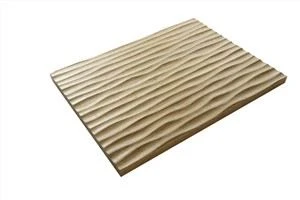
If you’re ready to stop worrying about your exterior walls standing up to tropical weather, or you just want a low-maintenance, good-looking upgrade for your home or business, hit me up for a quote. We work with homeowners, contractors, and commercial builders all over tropical regions, and we can help you find the right panels for your project. No hidden fees, no fine print, just honest advice from someone who’s been in this industry long enough to know what works.
Wood Wall Panel References: ASTM International. (2021). Standard Test Method for Water Absorption of Rigid Cellular Plastics. American Society for Testing and Materials; National Association of Home Builders. (2022). Exterior Cladding Performance in Humid and Tropical Climates. NAHB Research Center; Marine Coatings Manufacturers Association. (2020). UV Stabilization for Exterior Architectural Surfaces. MCMA.
Dongguan MUMU Woodwork Co., Ltd.
Dongguan MUMU Woodwork Co., Ltd. is one of the most professional exterior pu stone wall panel manufacturers and suppliers in China, featured by cheap products and good service. If you’re going to wholesale customized exterior pu stone wall panel at low price, welcome to get quotation and free sample from our factory. Contact us for more discount information.
Address: Room No.2602, Universal Commerce Center,Dongguan, China 523073
E-mail: Jerry@mumu-ing.com
WebSite: https://www.mumu-ing.com/
